
SKIN Cancer
Legacy Dermatology | General Dermatology Services
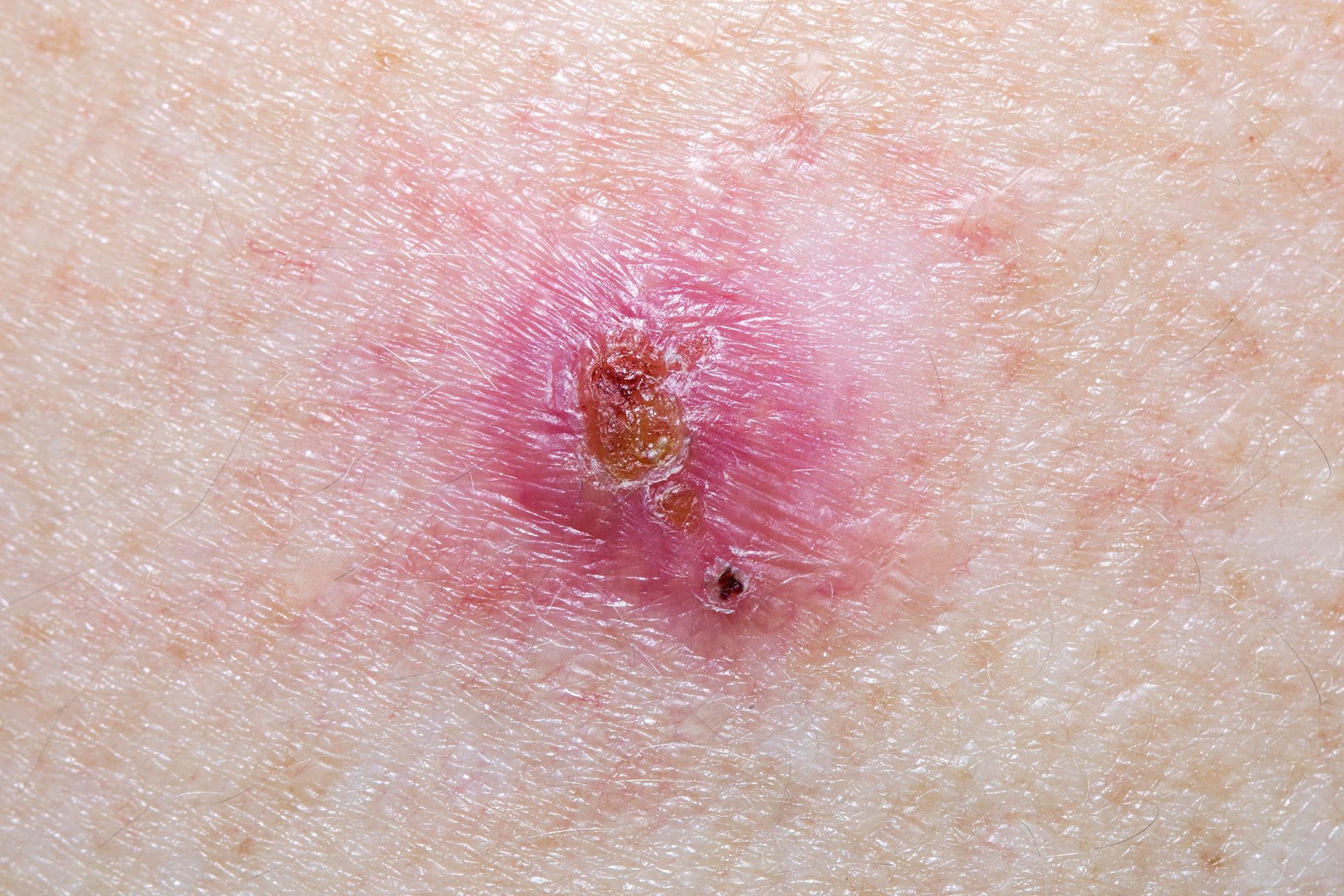
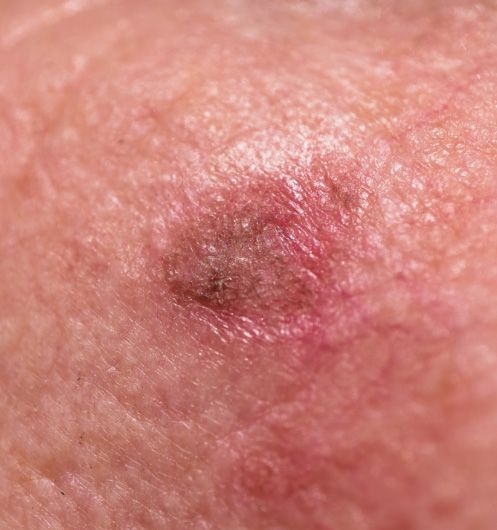
Skin Cancer Diagnosis & Treatment
Melanoma, Squamous Cell Carcinoma, Basal Cell Carcinoma, and Actinic Keratosis
Melanoma, squamous cell carcinoma, and basal cell carcinoma are three types of skin cancer that can occur in different parts of the body. Actinic keratosis is a type of precancerous lesion, which—if left untreated—can become cancerous. It's important to identify and treat these conditions as early as possible to reduce the risk of serious health problems.
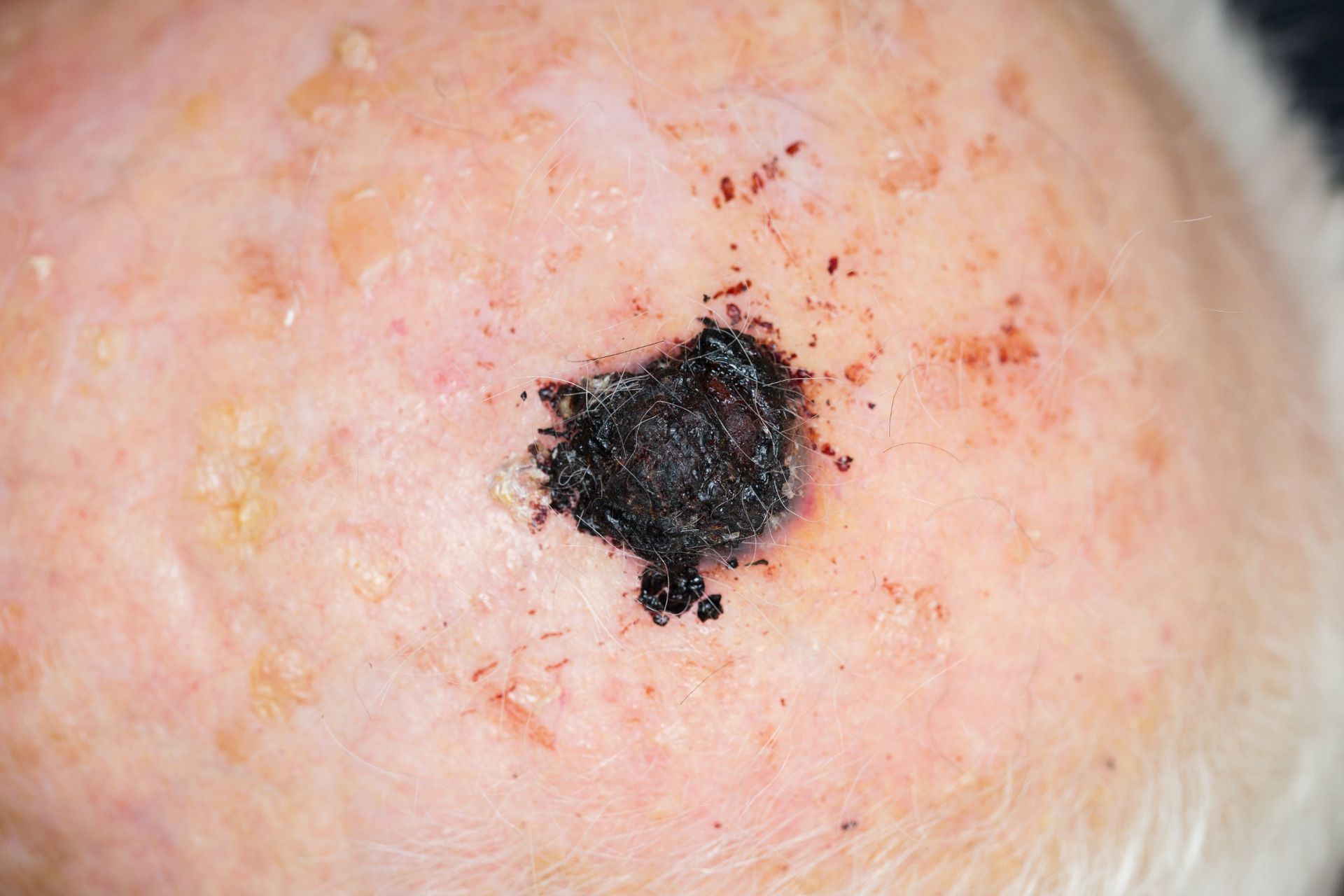
Melanoma is a type of skin cancer that begins in the cells that produce pigment in the skin. It is more aggressive than other types of skin cancer and can spread to other parts of the body if left untreated. Melanoma is usually caused by prolonged exposure to ultraviolet (UV) radiation from the sun or tanning beds. It can appear as a new mole or as a change in an existing mole.
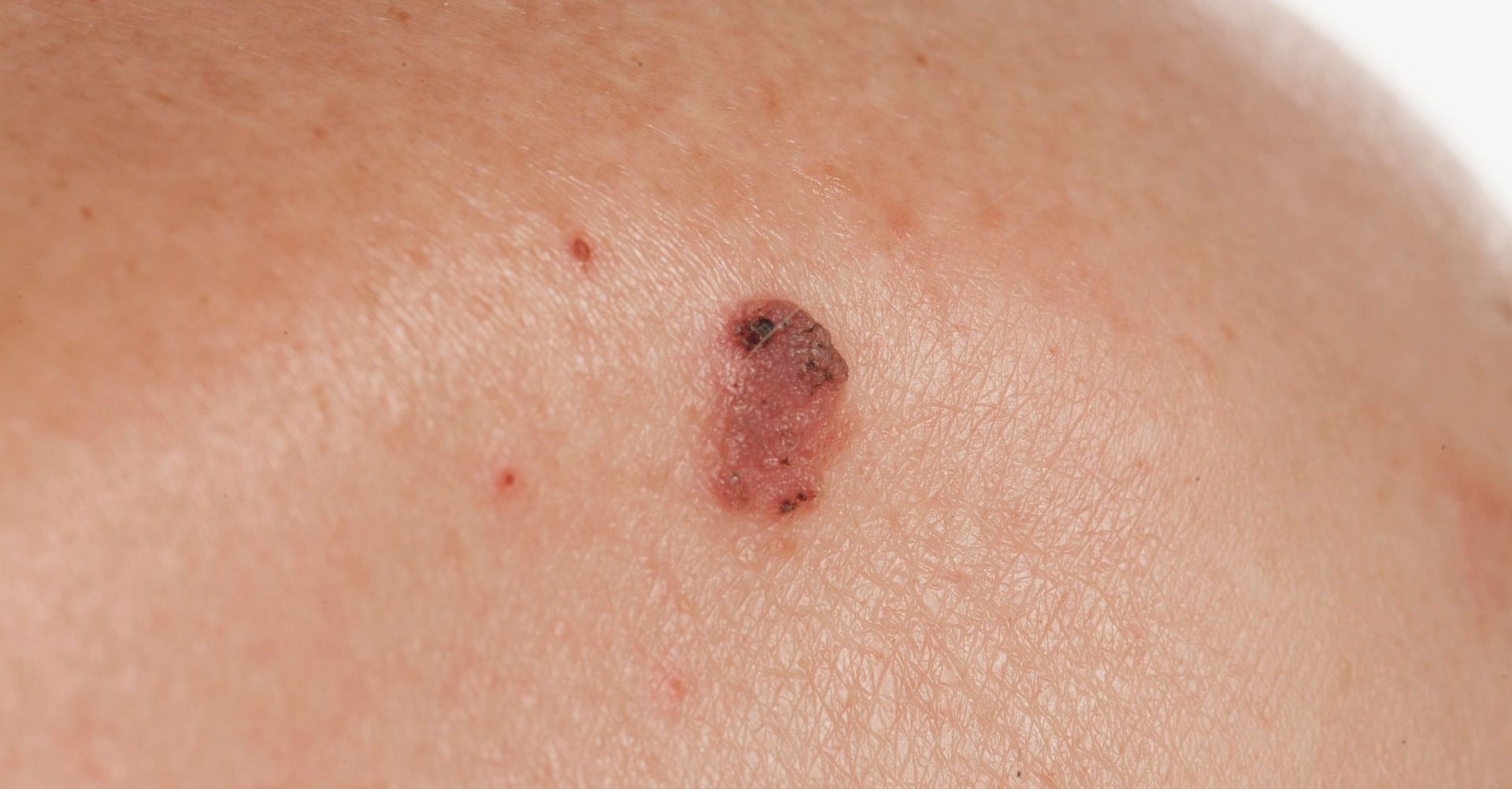
Squamous cell carcinoma is a type of skin cancer that begins in the cells that make up the outer layer of the skin. It is most commonly found on areas of the skin that are exposed to the sun, such as the face, neck, and hands. Squamous cell carcinoma can also occur on mucous membranes or areas of the body that have been damaged by UV radiation, burns, or other injuries.
Basal cell carcinoma is the most common type of skin cancer. It begins in the cells that make up the lower part of the epidermis (the outermost layer of the skin). Basal cell carcinoma is most often found on areas of the skin that are exposed to the sun, such as the face, neck, and hands. It is slow-growing and rarely spreads to other parts of the body.
Actinic keratosis are precancerous lesions that appear like rough, scaly patches on skin, and are caused by years of sun damage. Actinic keratosis lesions are most commonly found on the areas of the body that receive the most sun exposure: face, lips, ears, scalp, neck, and forearms. If actinic keratosis is left untreated, it can develop into squamous cell carcinoma.
If you notice any changes in your skin, such as a new mole or a change in an existing mole, it's important to see your dermatologist as soon as possible. Early detection and treatment can help prevent these conditions from becoming more serious.
Dr. Bradley is trained to identify and treat melanoma, squamous cell carcinoma, basal cell carcinoma, and actinic keratosis. We offer a range of treatments to help you manage these conditions, including Mohs micrographic dermatologic surgery. If you have any concerns about skin cancer or would like to schedule an appointment, please don't hesitate to contact us.