Mohs Micrographic surgery

Legacy Dermatology  |  Surgical Dermatology Services
Micrographic Dermatologic Surgery

Micrographic dermatologic surgery, also known as Mohs surgery, is a specialized surgical procedure used to treat skin cancer. It is a highly effective treatment for basal cell carcinoma and squamous cell carcinoma, the two most common types of skin cancer.


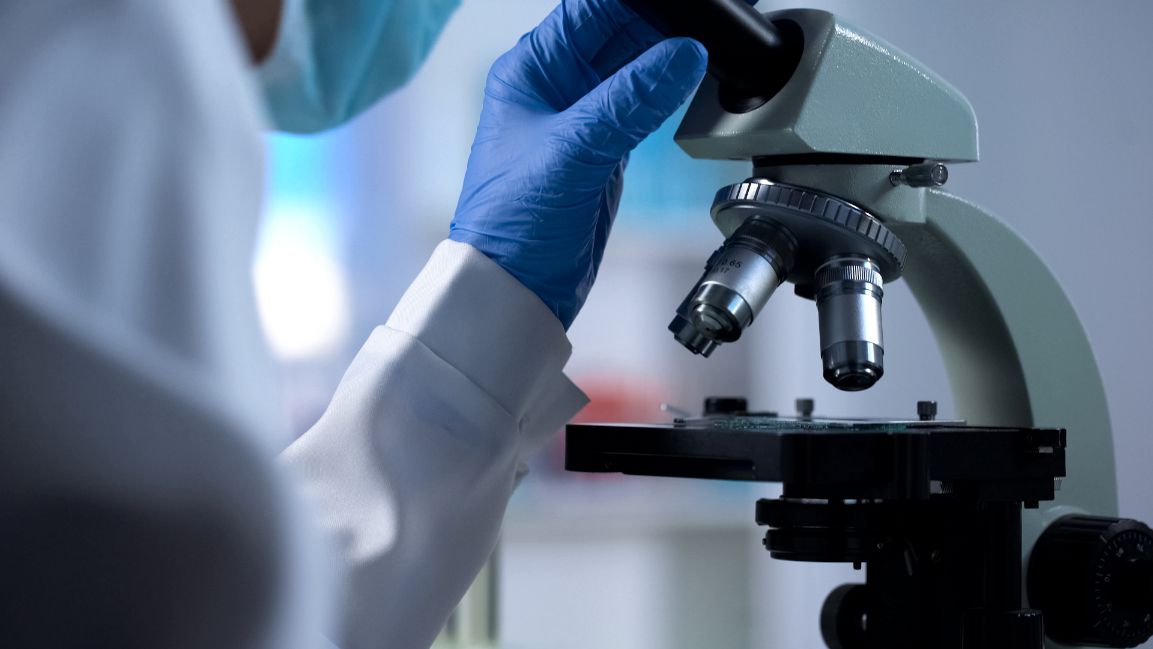
During Mohs surgery, a dermatologist removes thin layers of cancerous tissue from the affected area, one layer at a time. Each layer is then examined under a microscope to determine if cancer cells are present. If cancer cells are found, the surgeon removes another layer of tissue and repeats the process until no cancer cells are detected.


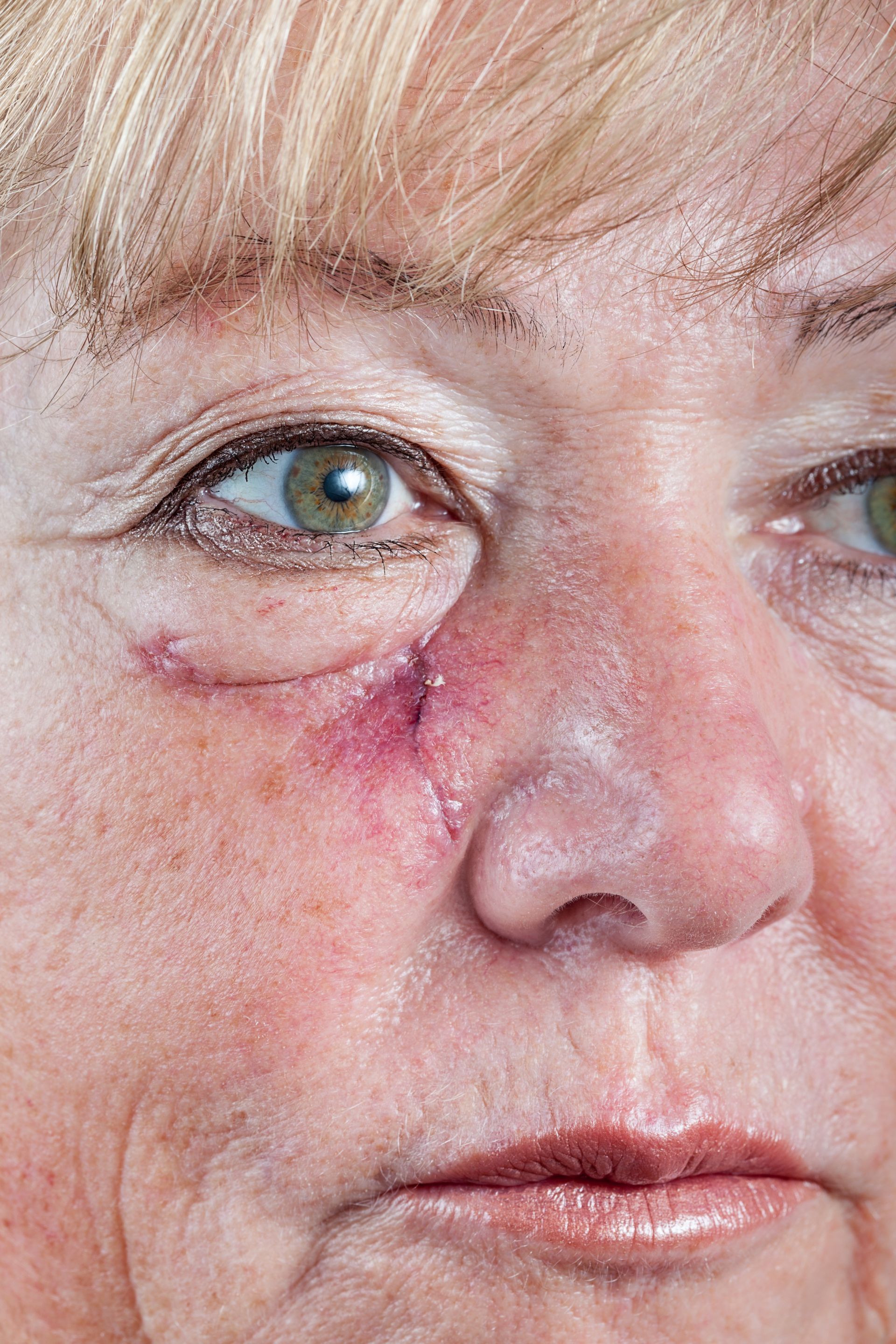
This process allows the surgeon to remove as much of the cancerous tissue as possible while preserving as much healthy tissue as possible. This can be especially important for cancers located on the face or other visible areas of the body, as it can help to minimize scarring and improve the appearance of the affected area.


Mohs surgery is typically performed on an outpatient basis and can be done under local anesthesia. After the surgery, the incision site may be sore and swollen, and the patient may be required to wear a bandage for a few days to protect the area while it heals.


If you have been diagnosed with skin cancer and are considering Mohs surgery, contact us today to schedule an appointment.

— SCHEDULE AN APPOINTMENT

Frequently Asked Questions

  • WHAT IS MOHS MICROGRAPHIC SURGERY AND WHEN IS IT RECOMMENDED?

    Mohs micrographic surgery is a specialized, tissue-sparing technique used to treat skin cancer, most commonly basal cell carcinoma and squamous cell carcinoma. It is recommended when the cancer is located on cosmetically sensitive or functionally important areas such as the face, nose, ears, or hands; when the cancer is large, recurrent, or has poorly defined borders; or when maximum preservation of healthy tissue is a priority. 

  • HOW DOES MOHS SURGERY WORK?

    During Mohs surgery, Dr. Bradley removes thin layers of cancerous skin tissue one at a time. Each layer is immediately processed and examined under a microscope. If cancer cells remain at the margin, another precise layer is removed from that exact location. This process continues until the tissue is completely free of cancer cells. This step-by-step approach achieves a cure rate of up to 99% for primary basal cell carcinoma while sparing the maximum amount of healthy tissue. 

  • IS MOHS SURGERY PERFORMED IN THE OFFICE, AND WHAT ANESTHESIA IS USED?

    Yes. Mohs surgery at Legacy Dermatology is performed on an outpatient basis in the office. Local anesthesia is used to numb the treatment area, so patients remain awake and comfortable throughout the procedure. Because each layer must be processed and reviewed before the next step, the procedure can take several hours, so patients should plan accordingly.

  • WHAT IS RECOVERY LIKE AFTER MOHS SURGERY?

    After Mohs surgery, some soreness, swelling, and bruising around the surgical site are expected. A bandage is typically worn for several days to protect the area while it heals. Depending on the size and depth of the wound, closure may be achieved with simple sutures, a skin flap, or a skin graft. Dr. Bradley will provide detailed aftercare instructions and schedule appropriate follow-up visits. 

  • DOES SKIN OF COLOR AFFECT THE RISK OR OUTCOMES OF SKIN CANCER AND MOHS SURGERY?

    People with darker skin tones do have a lower overall risk of developing common skin cancers; however, when skin cancer does occur in patients of color, it is often diagnosed at a more advanced stage, leading to worse outcomes. Dr. Bradley's expertise in skin of color means he is well-equipped to identify and treat skin cancer early in patients of all skin tones, and his Mohs training ensures tissue-sparing outcomes that minimize scarring in cosmetically sensitive areas.